
ECG (Electrocardiogram)
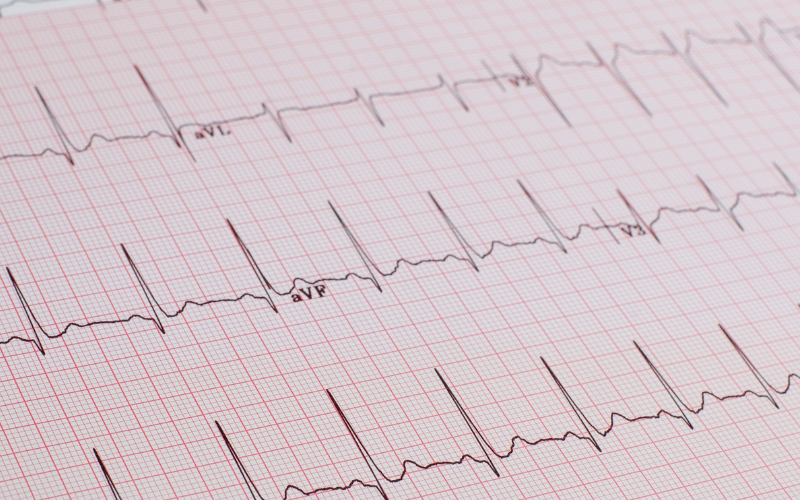
An electrocardiogram records the electrical signals in the heart. It's a common and painless test used to quickly detect heart problems and monitor the heart's health. An electrocardiogram — also called ECG or EKG — is often done in a health care provider's office, a clinic or a hospital room. ECG machines are standard equipment in operating rooms and ambulances.
Why Is It Done?
An electrocardiogram is a painless, noninvasive way to help diagnose many common heart problems. A health care provider might use an electrocardiogram to determine or detect:
Irregular heart rhythms (arrhythmias)
If blocked or narrowed arteries in the heart (coronary artery disease) are causing chest pain or a heart attack
Whether you have had a previous heart attack
How well certain heart disease treatments, such as a pacemaker, are working
Irregular heart rhythms (arrhythmias)
If blocked or narrowed arteries in the heart (coronary artery disease) are causing chest pain or a heart attack
Whether you have had a previous heart attack
How well certain heart disease treatments, such as a pacemaker, are working
You may need an ECG if you have any of the following signs and symptoms:
Chest pain
Dizziness, lightheadedness or confusion
Heart palpitations
Rapid pulse
Shortness of breath
Weakness, fatigue or a decline in ability to exercise
We recommend using electrocardiograms to assess adults at low risk who don't have symptoms. But if you have a family history of heart disease, your health care provider might suggest an electrocardiogram as a screening test, even if you have no symptoms.